

Cisternerne
An underground reservoir that became a cathedral for art
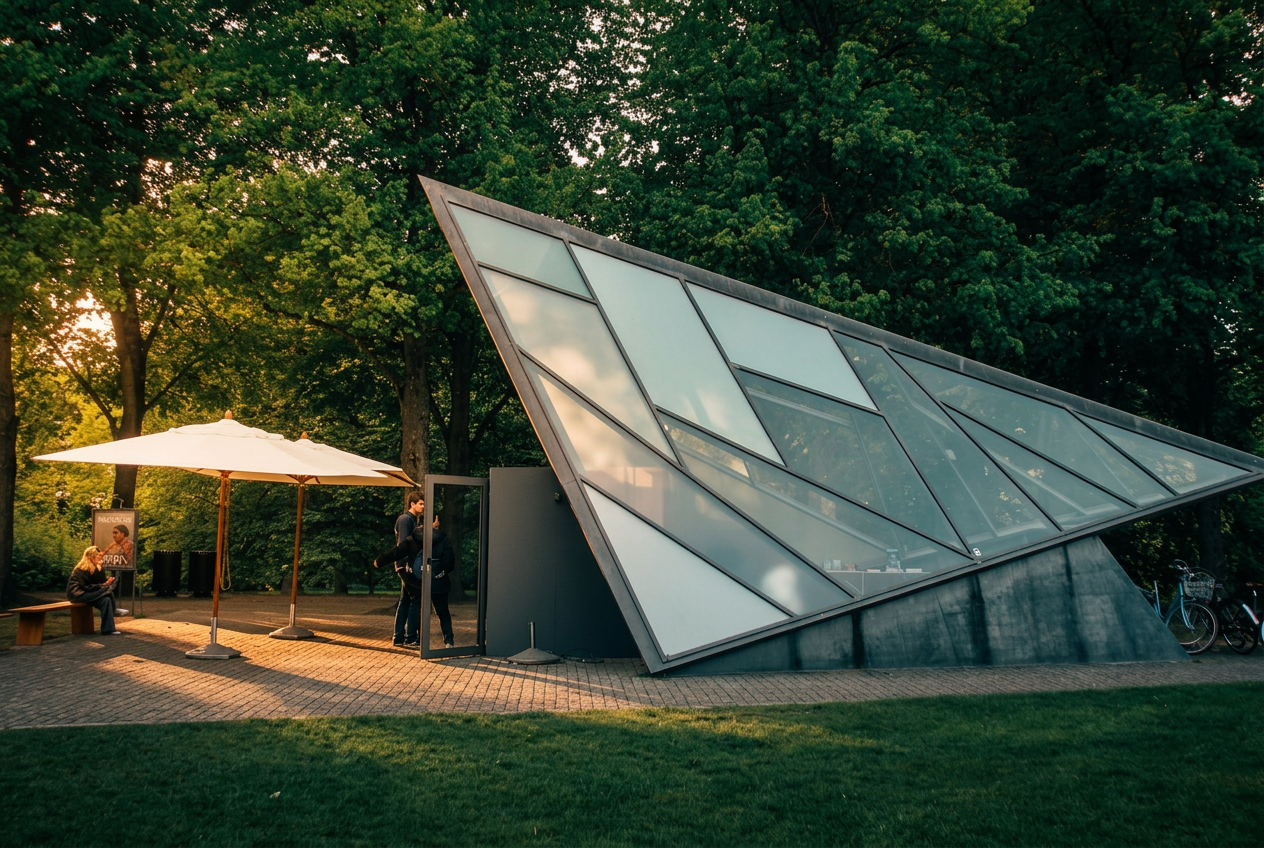
Beneath the lawns of Søndermarken park, opposite Frederiksberg Palace, lies a space that almost no one above ground would suspect. Cisternerne is a vast subterranean chamber that once held two days of Copenhagen's drinking water and now holds a single, immersive work of contemporary art at a time. It is dark, cold, damp and entirely without a mobile signal, and that is precisely the point. Of all the places in this guide, Cisternerne makes the clearest argument that the most powerful thing a custodian can do to a remarkable building is, very often, almost nothing.
At a glance
- Then
- An underground drinking water reservoir for Copenhagen
- Now
- Cisternerne, a space for contemporary art commissions
- Built
- 1856 to 1859, open to the air, then roofed over in 1891
- Cultural rebirth
- From 1996 as exhibition space; contemporary art from 2013
- Owner and operator
- The state, through Slots og Kulturstyrelsen, leased to Frederiksberg Museums
- Size
- 4,320 square metres across three chambers, ceilings of 4.2 metres
What it once was
Cisternerne was born of fear. After a cholera epidemic killed thousands in 1853, Copenhagen urgently needed clean water, and between 1856 and 1859 a reservoir was cut into the top of Frederiksberg Hill, at 31 metres the highest point in the capital, so that gravity could carry water down into the city's new tall buildings. At first it lay open to the sky, a still mirror in front of Frederiksberg Palace. But an open pool holding the clean water of an entire city was a danger, both to contamination and to deliberate harm, and so in 1891 the whole reservoir was roofed in cast concrete and a lawn with a fountain laid over it. Below, three chambers held some sixteen million litres, roughly two days of water for the capital. It served until 1933, was finally drained in 1981, and was then more or less forgotten.
The practice worth passing on
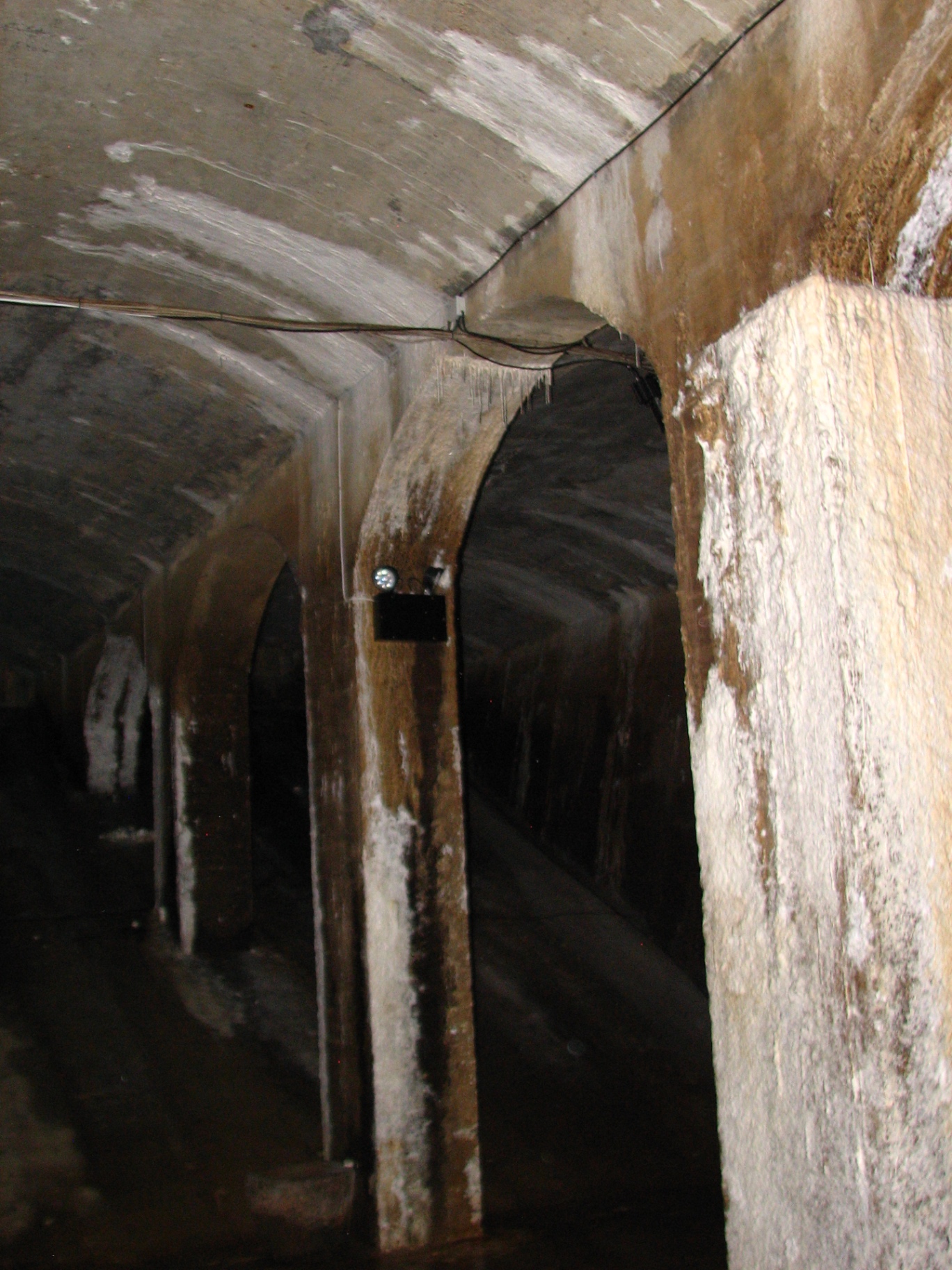
The lesson here is restraint. When Frederiksberg Museums took over the space in 2013, they did almost nothing to it. A few openings were made through the internal walls so that visitors could move between chambers, and that was essentially the extent of the intervention. The raw, symmetrical, dripping space is itself the attraction; it needs no addition of glass and steel to justify a visit.
The team puts it plainly: you can do a great deal with very little when the space is already there. Modern technology asks little of a room. Even without mains electricity, a generator, a projector and some light are enough to make something happen. For any custodian sitting on a building with strong character, the temptation to transform should be resisted in favour of staging what already exists. Each year the venue commissions a single internationally significant artist or architect to create one work made for this space alone, a work that could not be rebuilt anywhere else on earth. Marina Abramović's installation Seven Deaths was one such commission.
You can do a great deal with very little when the space is already there.
An accidental act of preservation
It is worth asking why this survived when so much of Copenhagen was cleared in the decades of postwar growth. The honest answer is that it was underground. No one needed the space and no one was troubled by it, so it slipped quietly beneath every wave of redevelopment. The team is candid that this was fortune rather than foresight. Had the reservoir stood above ground in the same location, it would very likely have been demolished. There is a gentle lesson in that, even so: a building that disturbs no one is a building that survives, and visibility is not always a friend to heritage.
The atmosphere as the asset
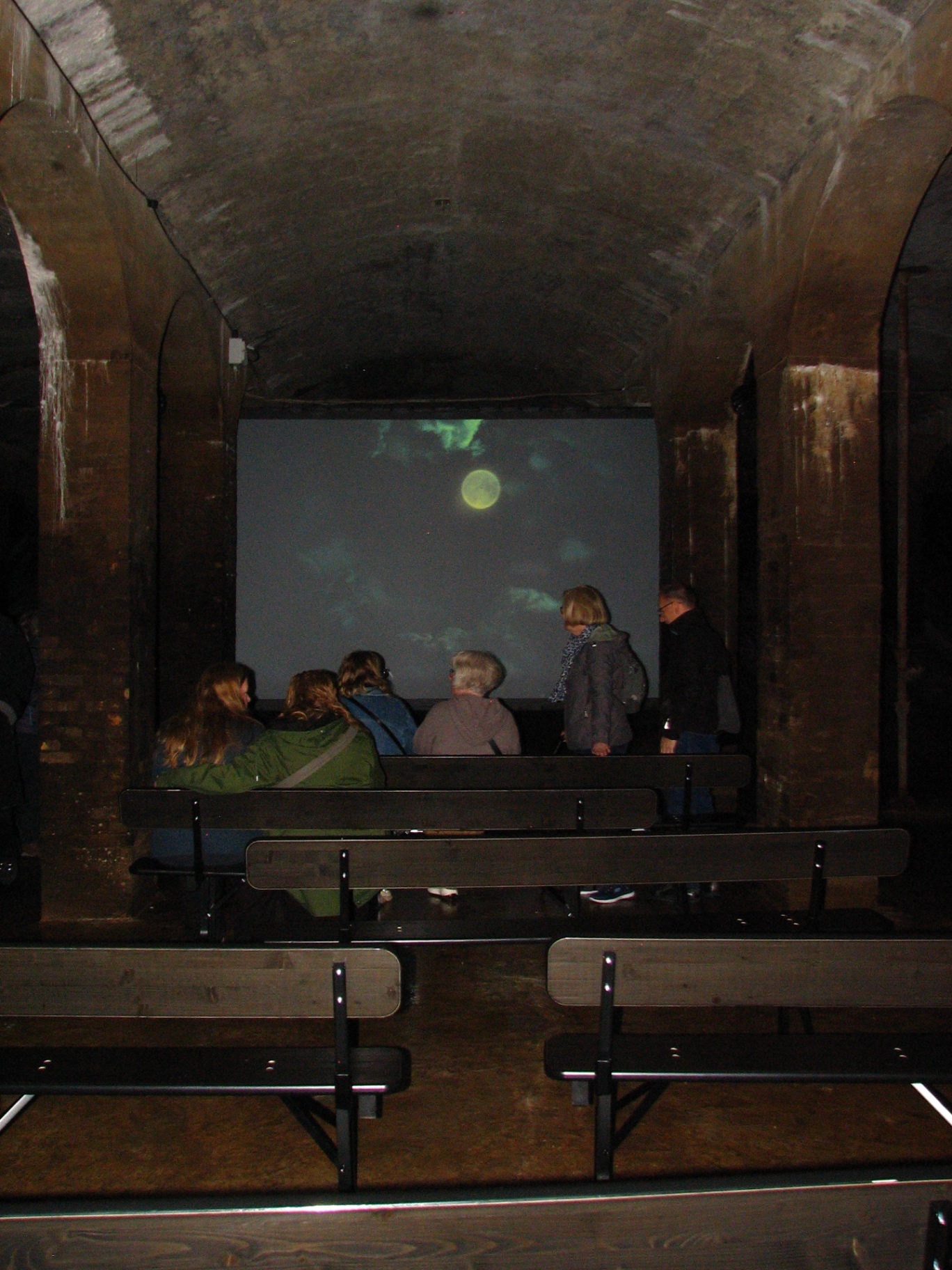
The reservoir was built to be purely functional and was never meant to be seen by anyone but the workers who maintained it. Yet its perfect symmetry has given it the quality people now describe as an underground cathedral, a threshold space that reaches upward while remaining dark, cold and wet below. That singular atmosphere is what draws roughly a hundred thousand visitors a year, around forty per cent of them from abroad. The space is used not only for art but for film, for ritual and even for weddings, by people who want a setting for the whole of life rather than only its brightest part. The team is articulate about this: life is not only light and beauty; it is also cold and dark, and there is room here for all of it. The value, in other words, lies in resisting the urge to make the place comfortable and conventional.
Guidance for municipalities and operators
For owners and public authorities
A building with a powerful character does not need a large budget to become a cultural asset; sometimes the most valuable decision is to protect it from over restoration. Lease it on terms that preserve its essential condition, and choose an operator who understands that the atmosphere is the product.
For operators
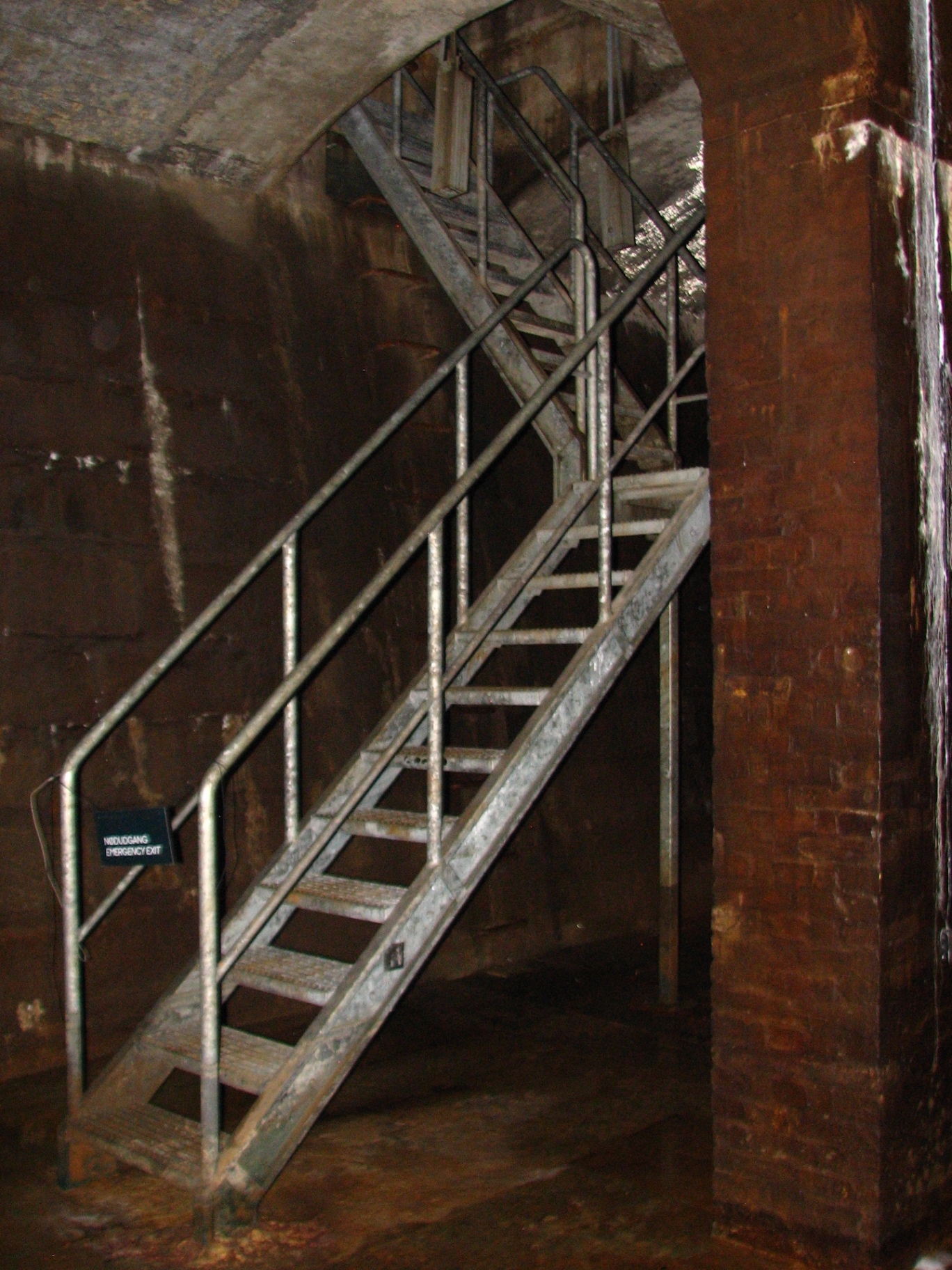
Do a lot with a little, and let the space speak. Two pieces of practical advice emerged from this site for anyone borrowing a building from a public owner. First, do the owner's worrying for them: arrive with safety and evacuation already considered, so the owner is confident the building will not become a public hazard, because that confidence is what earns you freedom. Second, reach out to comparable venues elsewhere and compare what works. There is an informal network of near identical reservoirs and industrial spaces across Europe, from Brno to a former textile site in Narva on the Estonian border, and knowledge shared between such places is the field's next great resource.
Today
Cisternerne presents one large commission each year, alongside events and activities throughout the seasons, and remains part of Frederiksberg Museums. It sits beneath Søndermarken park, opposite the Zoo. Visitors are advised to bring a jacket.
The water that once filled these chambers was pumped into the city through a steam pump station that is itself now a music venue. See the chapter on Pumpehuset.
Sources: Frederiksberg Museums; Wikipedia (Cisternerne; Copenhagen Waterworks); VisitCopenhagen; Atlas Obscura; interview transcript, on site, May 2026. Photography by Zala and Pol.