

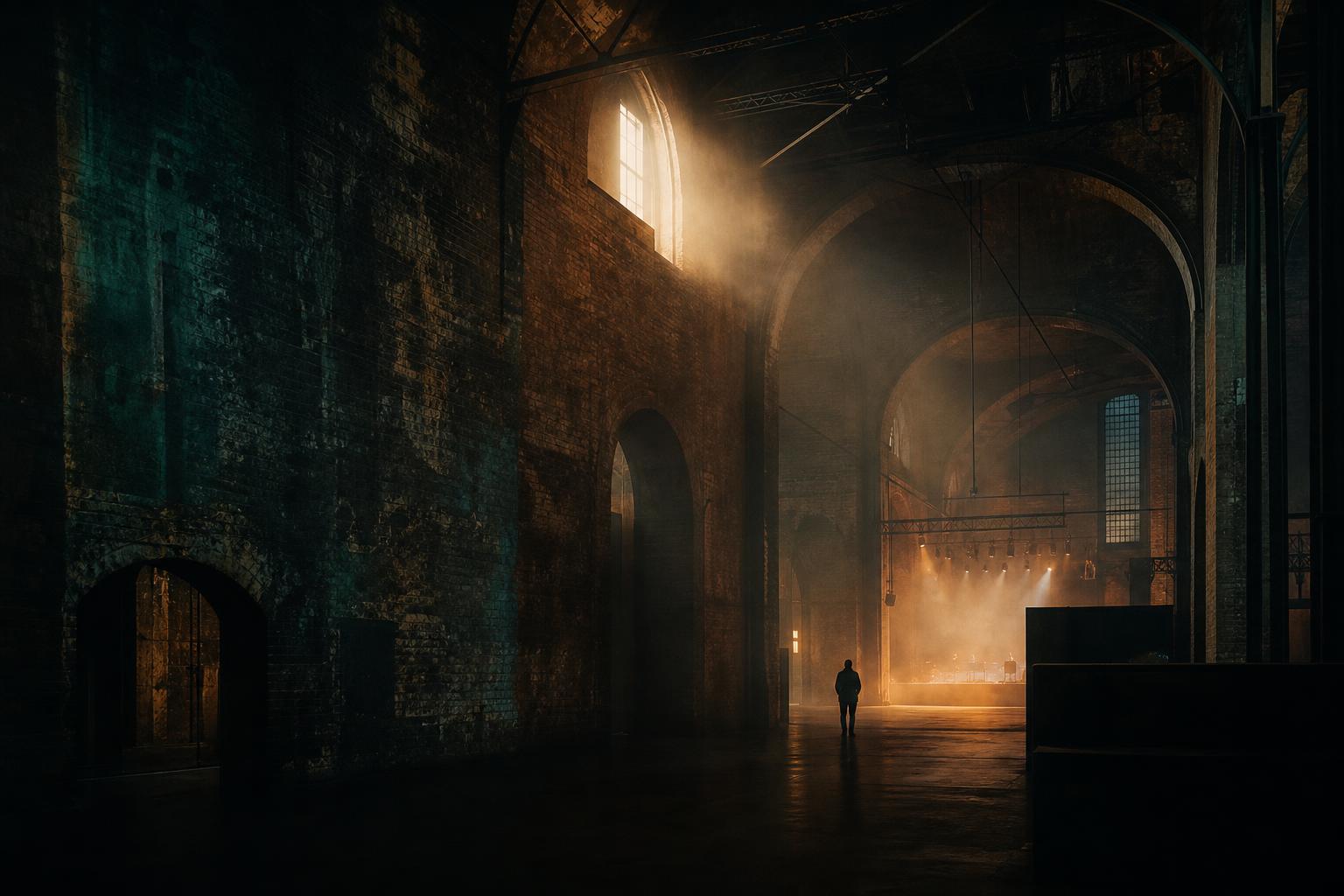
FactoriesofCulture
A field guide to giving old buildings a second life
Across Copenhagen, buildings that once held cattle, water, laundry and prayer now hold concerts, studios and audiences. This is a guide to how that happened, and how your city might do the same.
Across Copenhagen, buildings that once held cattle, boiled water, washed laundry, brewed beer or housed a congregation now hold concerts, exhibitions, studios and audiences. None of this happened by accident. Behind every one of these transformations stands a quiet, ongoing negotiation between the people who own these buildings, usually a municipality or a public body, and the people who fill them with life.
“None of this happened by accident.”
Aljaz, Zala & Pol.
Three weeks. Seven buildings.
This guide gathers what we learned by going to see them in person. We are Aljaz and Zala, and over three weeks in Copenhagen we had the privilege of sitting down with the managers, directors and caretakers of seven remarkable places, each one a former industrial or institutional building that has been carried into a new cultural life. We were joined by our local partner Pol, who knows the city, its venues and its languages, and who documented each site on film. The conversations were generous and often strikingly candid. People spoke not only about what they had achieved, but about what had been difficult, what they would do differently, and what they wished someone had told them at the start.
Our aim is simple. We want this to be useful. If you work in a municipality that owns a building it no longer knows what to do with, or if you run a cultural space inside a building you do not own, the experiences collected here are meant to be read as practical guidance rather than as a catalogue of finished successes. We have paid particular attention to one theme that surfaced in nearly every conversation: how the relationship between owner and tenant can be structured so that both sides get what they need, and so that the building serves the city rather than merely surviving in it.
Each chapter follows the same shape. We begin with what the building once was, because the history is rarely decorative; it usually explains why the space works the way it does today. We then draw out the practice we found most worth passing on, followed by the details specific to that site. Where the people we met offered advice for others walking the same path, we have kept it close to their own words.
Together they cover almost every model of reuse and ownership we could hope to learn from: a building bought outright, a building leased, a building donated, a building occupied and then formalised, and a building held on terms that must be renegotiated every decade.
- 01Cisternerne
- 02Pumpehuset
- 03FABRIKKEN
- 04KoncertKirken
- 05Dansehallerne
- 06Øksnehallen
- 07Christiania
We are grateful to everyone who gave us their time and their honesty. This guide belongs as much to them as to us.
The seven places
Seven buildings, seven places, one shared question: how do you give an old building a second life?
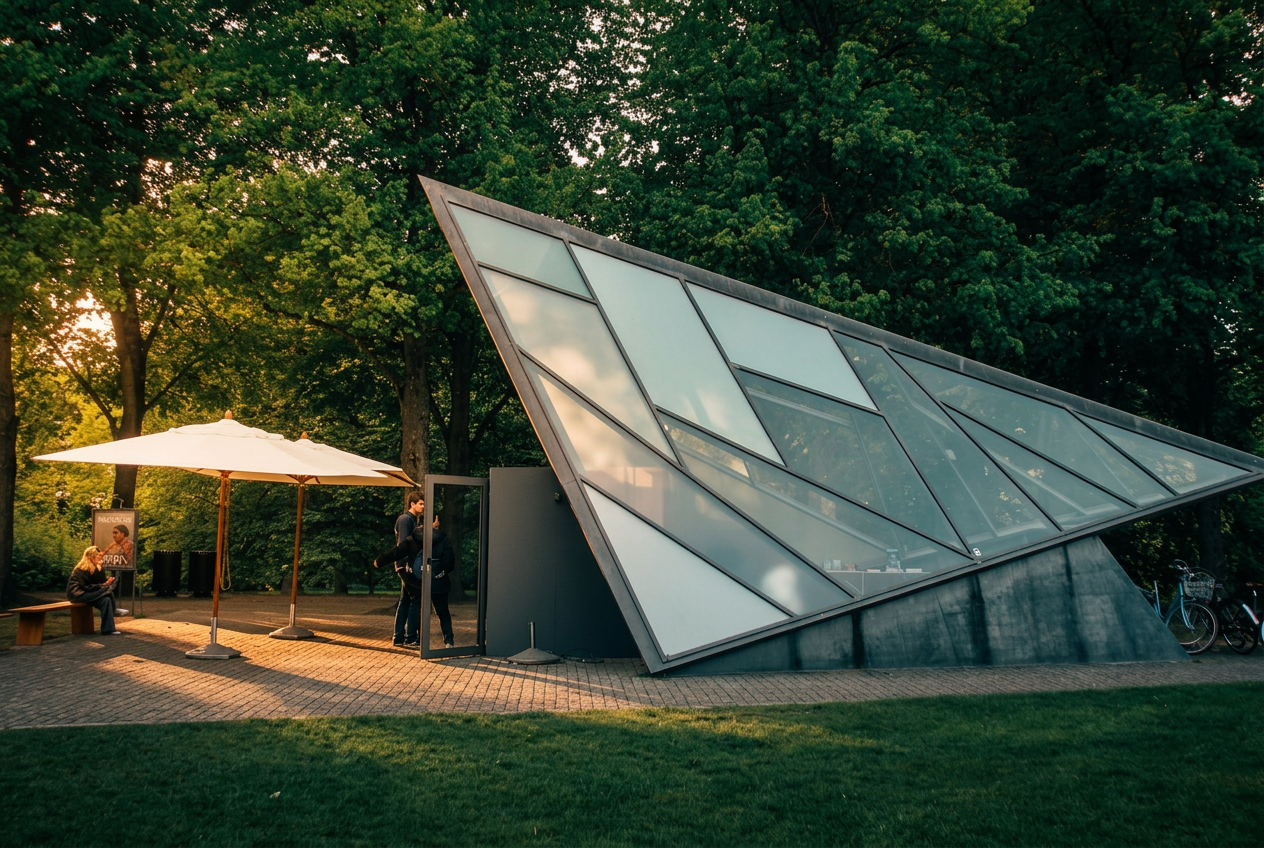 01Water reservoir to art space
Cisternerne
An underground reservoir that became a cathedral for art
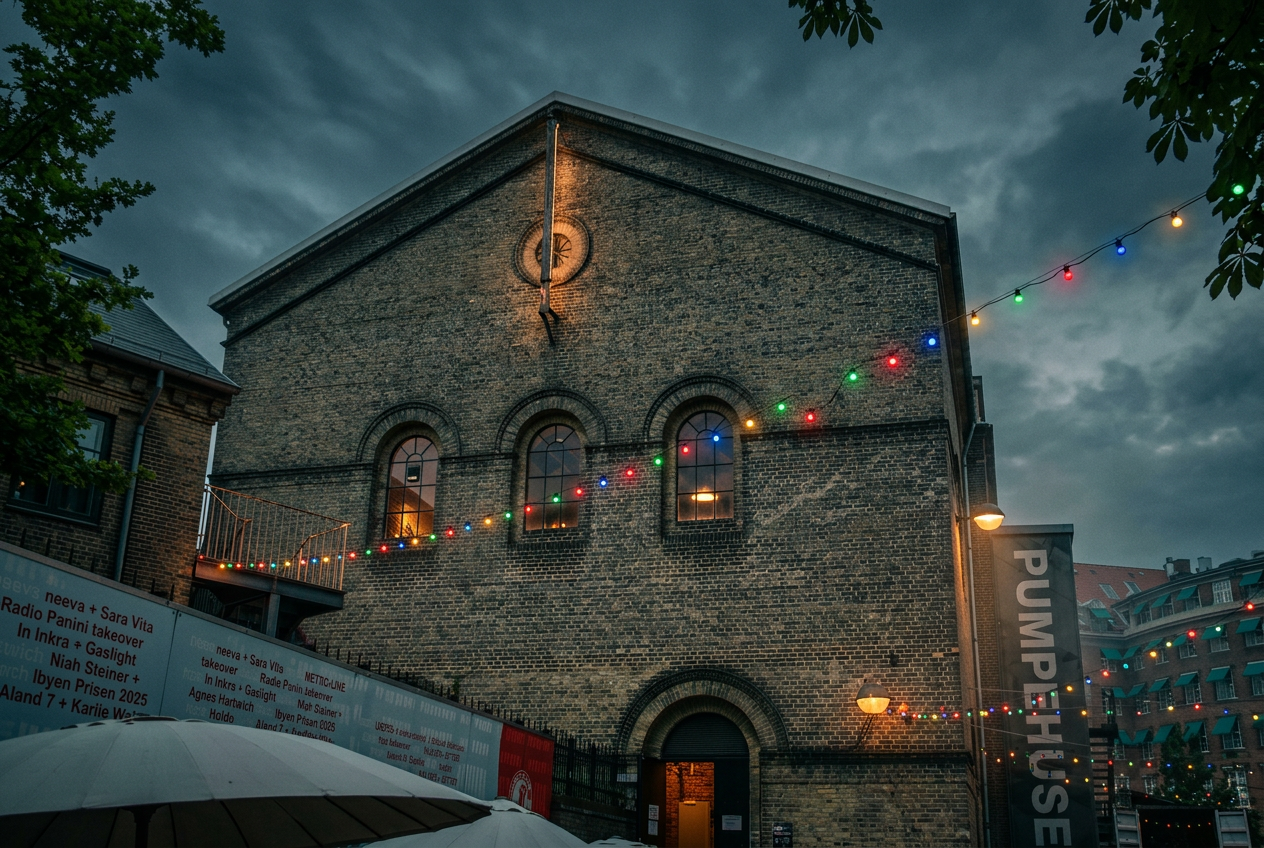 02Pump house to music venue
Pumpehuset
A pump house for water, now a pump house for music
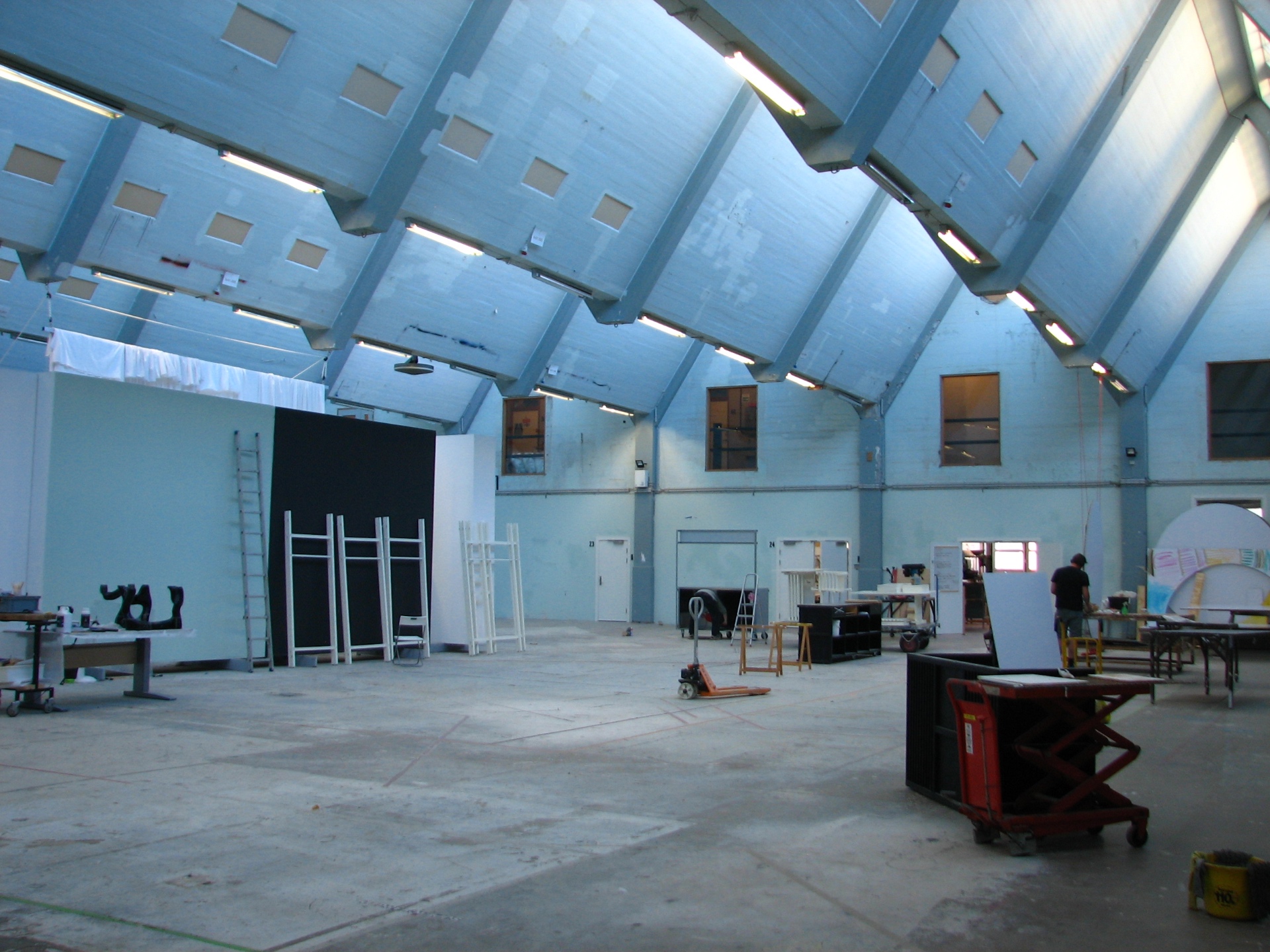 03Laundry to artist studios
FABRIKKEN for Kunst og Design
A municipal laundry that became the country's largest artist house
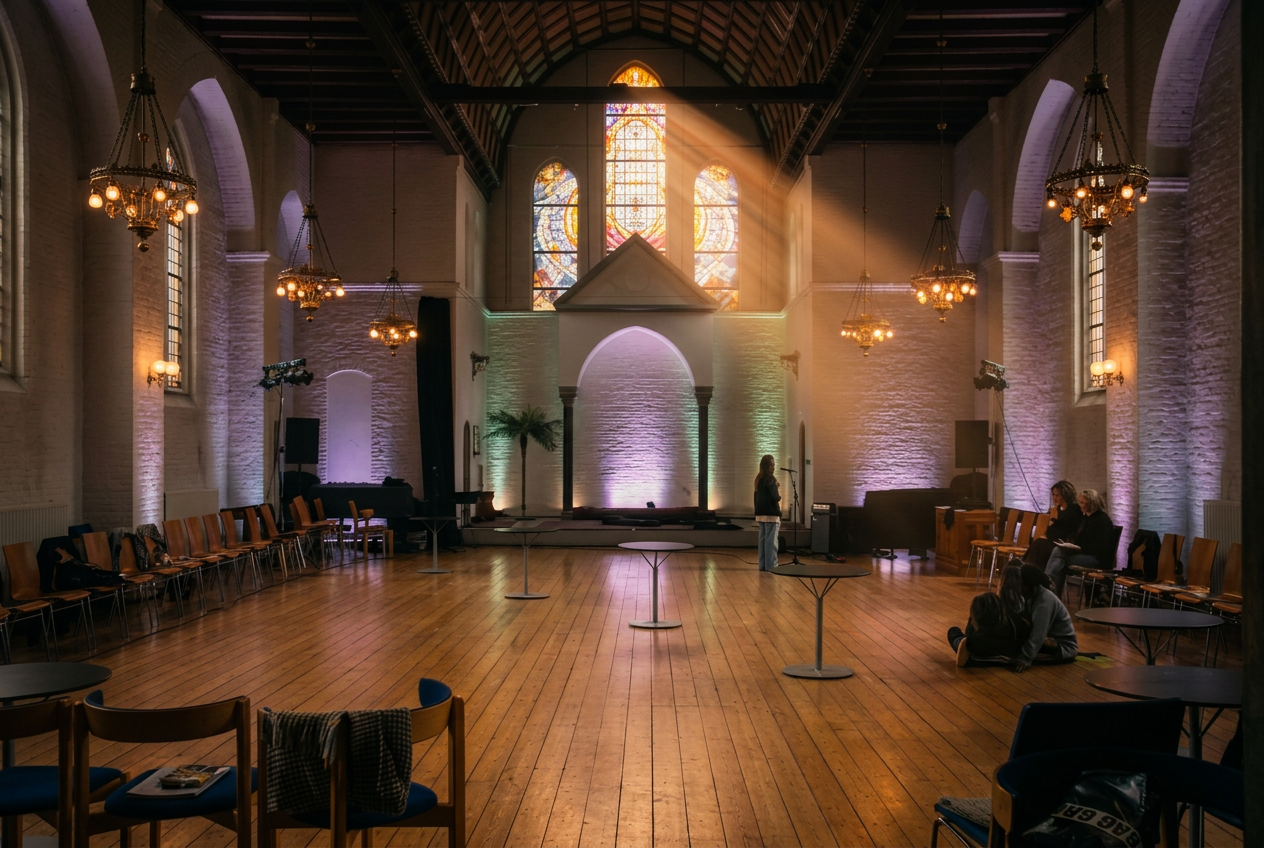 04Church to concert hall
KoncertKirken
A neighbourhood church the community chose to buy
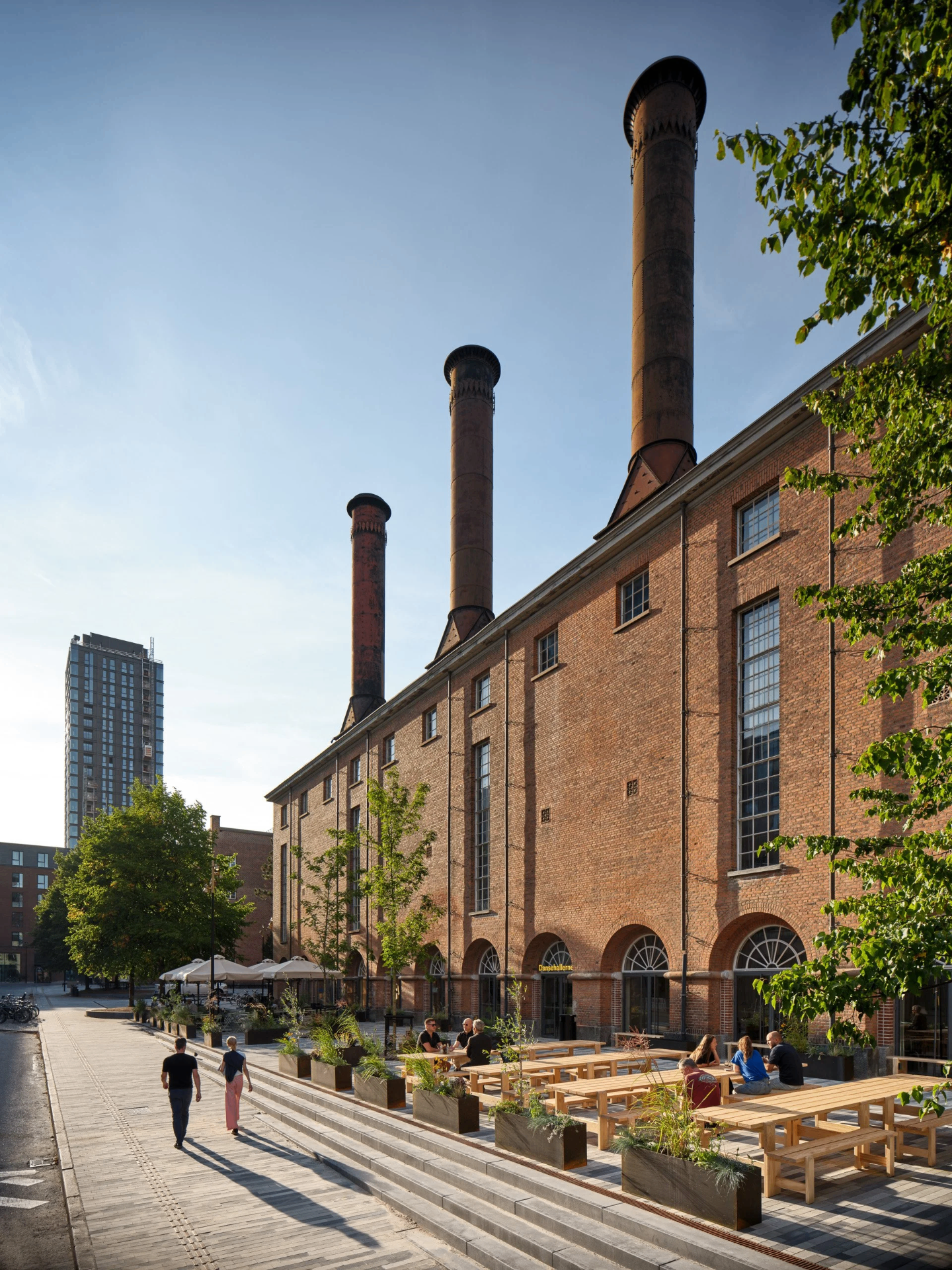 05Boiler house to dance stage
Dansehallerne
A boiler house that became a national stage for dance
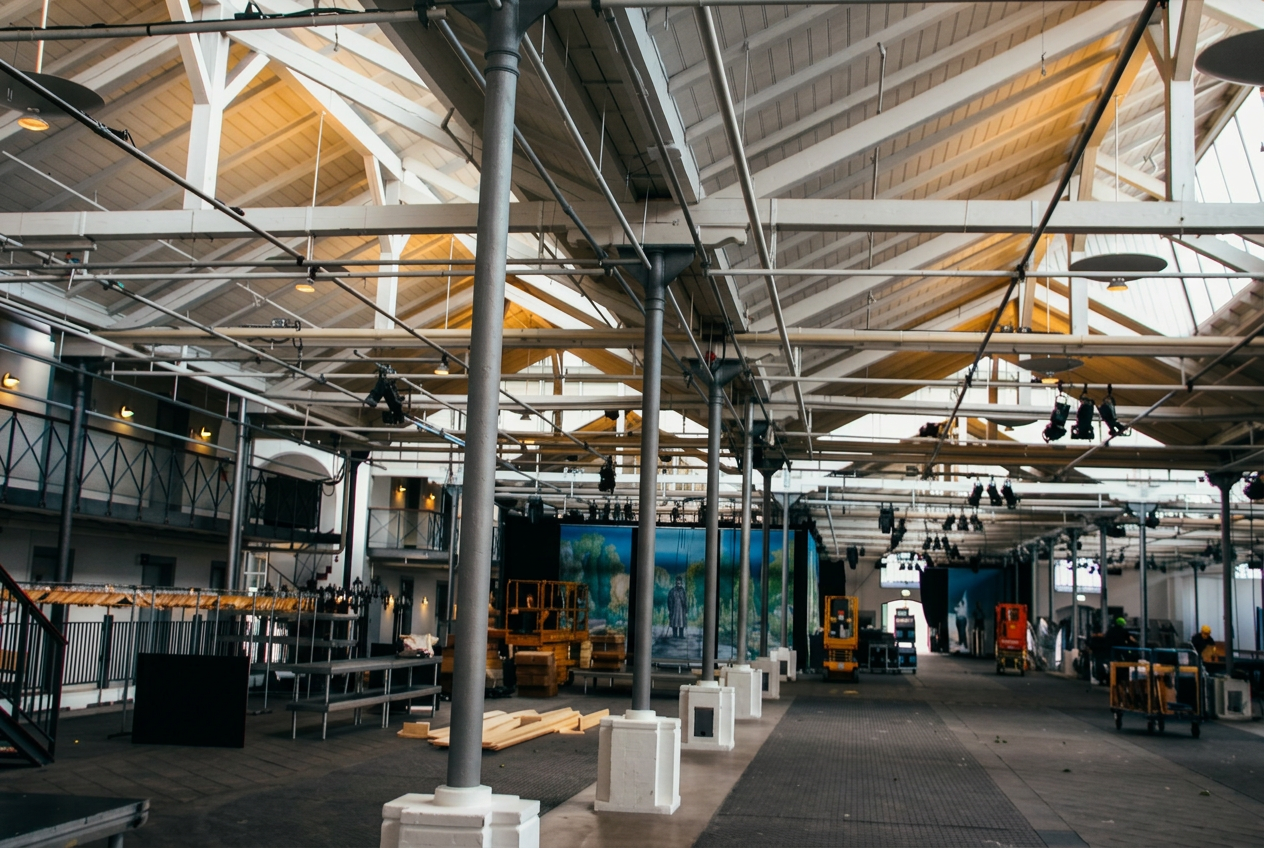 06Cattle hall to events venue
Øksnehallen
The hall built for cattle, now built for gathering
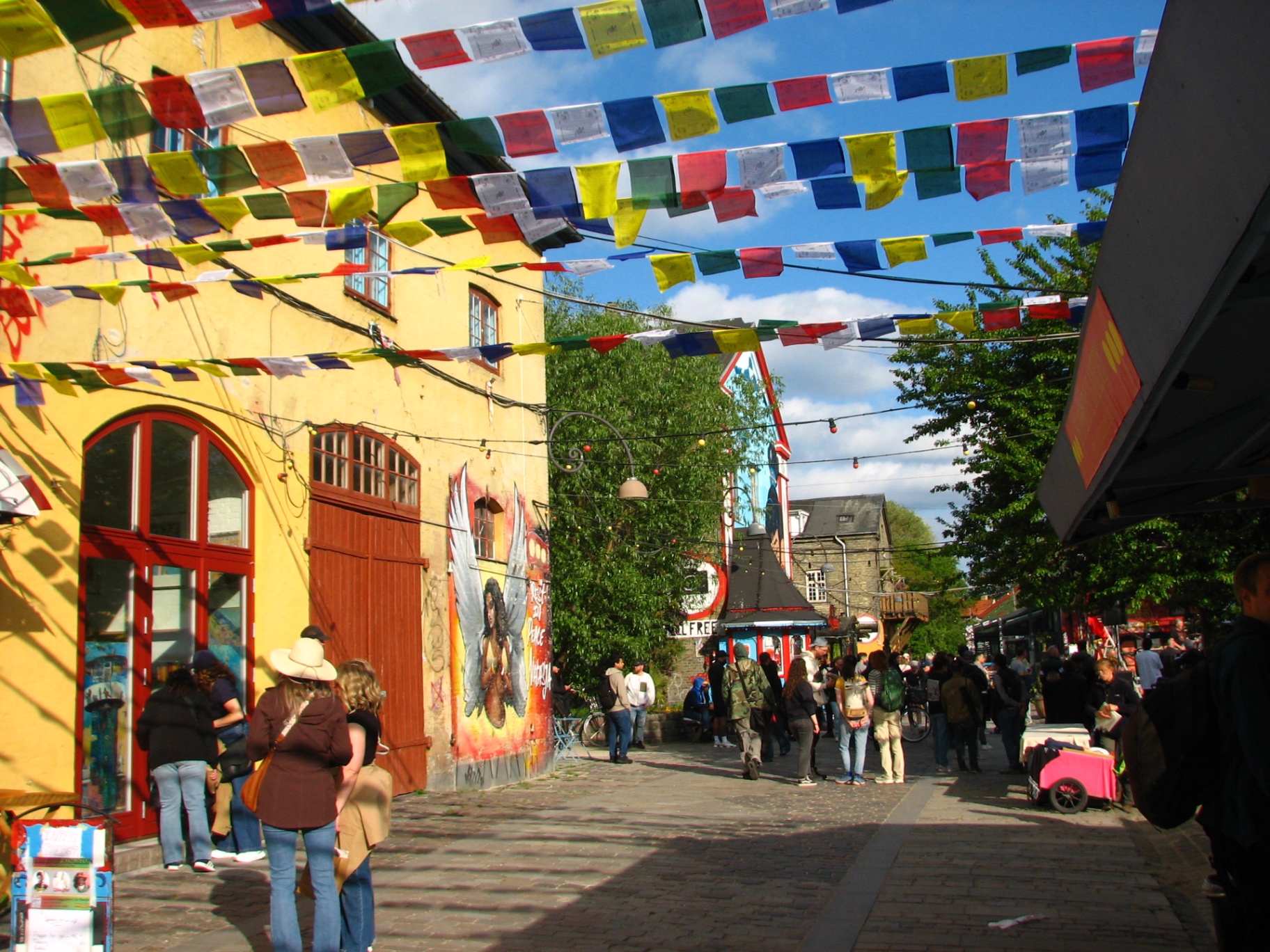 07Military barracks to free town
Freetown Christiania
Fifty years of negotiating a home out of an occupied barracks
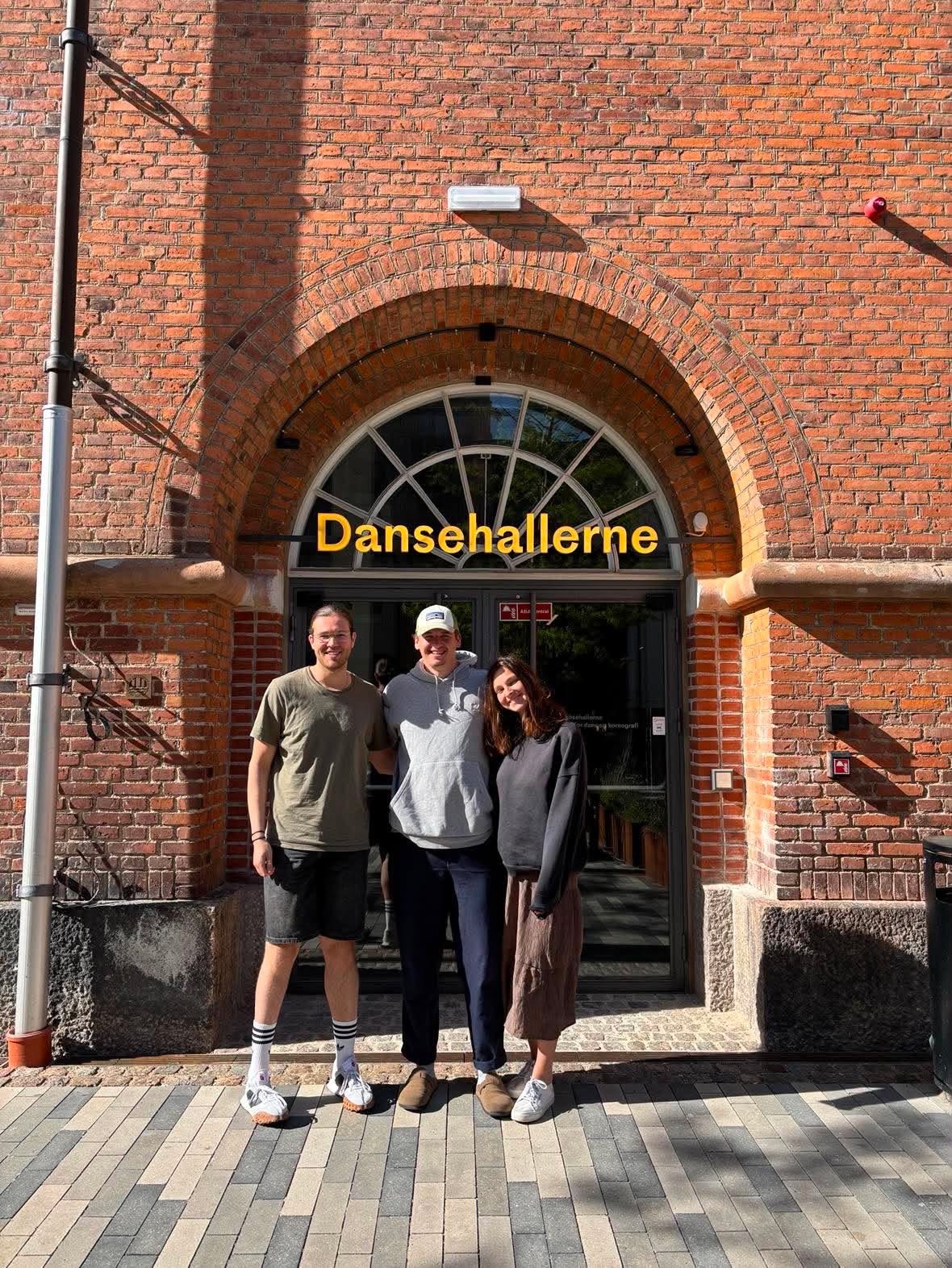
Reported, written & photographed by
- Aljaž AntlogaResearch & writing
- Zala AntlogaPhotography & field notes
- Pol Triquell LombardoPhotography, interviews & editing
Three weeks in Copenhagen, seven buildings, one shared question — photographed here at the doors of Dansehallerne.