

Pumpehuset
A pump house for water, now a pump house for music
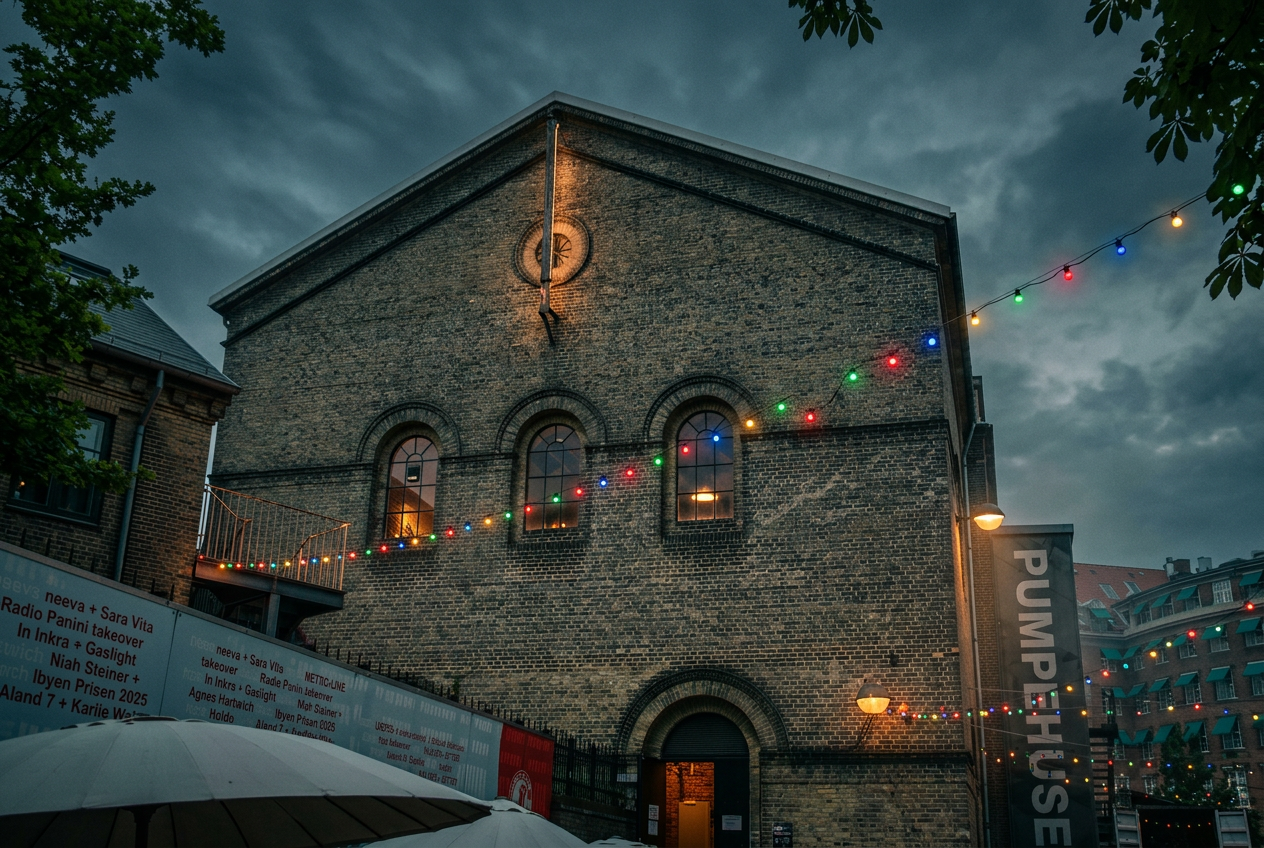
Pumpehuset is the engine house of Copenhagen's first waterworks, the building whose steam pumps once pushed clean water up into the city's tall houses. Today it is a music venue that has done something rare: it runs entirely without public subsidy. Its history offers two practical lessons that recur throughout this guide, one about the length of a lease and one about how to alter a building you are not permitted to change.
At a glance
- Then
- The engine house of Copenhagen's first waterworks
- Now
- Pumpehuset, a music venue with two stages and a summer garden
- Built
- 1856 to 1859; pumped water until 1951
- Cultural rebirth
- A venue since 1987; the current operator took over in January 2011
- Owner and operator
- The City of Copenhagen, leased to a private company at the market rate
- Capacity
- Kransalen for 600 and Sort Sal for 400, with the Byhaven garden outside
What it once was
Pumpehuset is the central engine house of Copenhagen Waterworks, the first in Denmark, built between 1856 and 1859. Inside stood three large steam pumps whose task was to create the pressure that carried clean water to the upper floors of the city's buildings. That water arrived from the underground cisterns at Søndermarken, was filtered through the lakes, and was pressurised here before being sent across the city. The pumps worked until 1951. The building was recognised as an industrial heritage site in 2007 and formally listed in 2010.
A first rebirth, by way of a planetarium
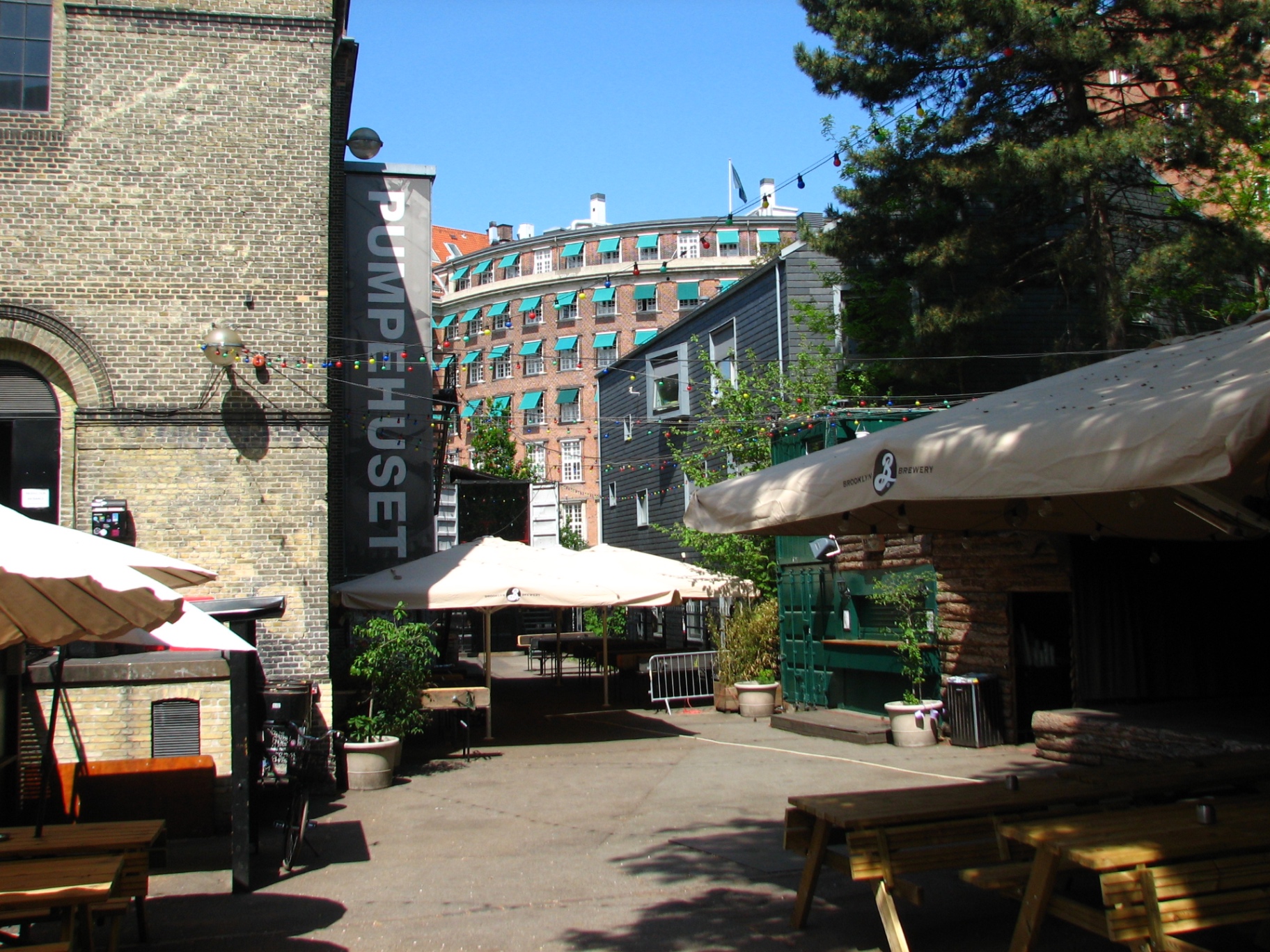
The venue exists because of an exchange. In the 1980s the beloved punk venue Saltlageret had to make way for the new Tycho Brahe Planetarium, and by way of compensation a donation was directed toward converting the old pump house into a music venue instead. Pumpehuset opened in September 1987 and inherited the lineage of the lakeside rock venues that had come before it. The municipality ran the venue for years; it went bankrupt in 2009; and the current private company took it over and reopened in January 2011, when the place was little more than a stripped shell beside a parking lot.
Treat the building's rawness as an asset to be revealed, not a flaw to be covered.
The practice worth passing on
Ask the team for their single most important lesson and it is not about architecture but about the length of a contract. To invest in the things a venue genuinely needs, sound systems, facilities and infrastructure, you require a lease long enough to recover that investment, and a long horizon is also what makes the project credible to the outside investors who want to see a vision through. Securing exactly that has been their hardest and most recurring struggle.
Alongside it sits a notable financial path. When they took over, they negotiated four years without rent in order to fund the rebuilding, then moved onto a full lease at the market rate, and today they are proud to be one of the very few venues in Copenhagen that operates with no public subsidy at all. The transferable pattern is a period free of rent to get on one's feet, set within a lease long enough to justify the investment, leading in time to full financial independence.
Reversible by design
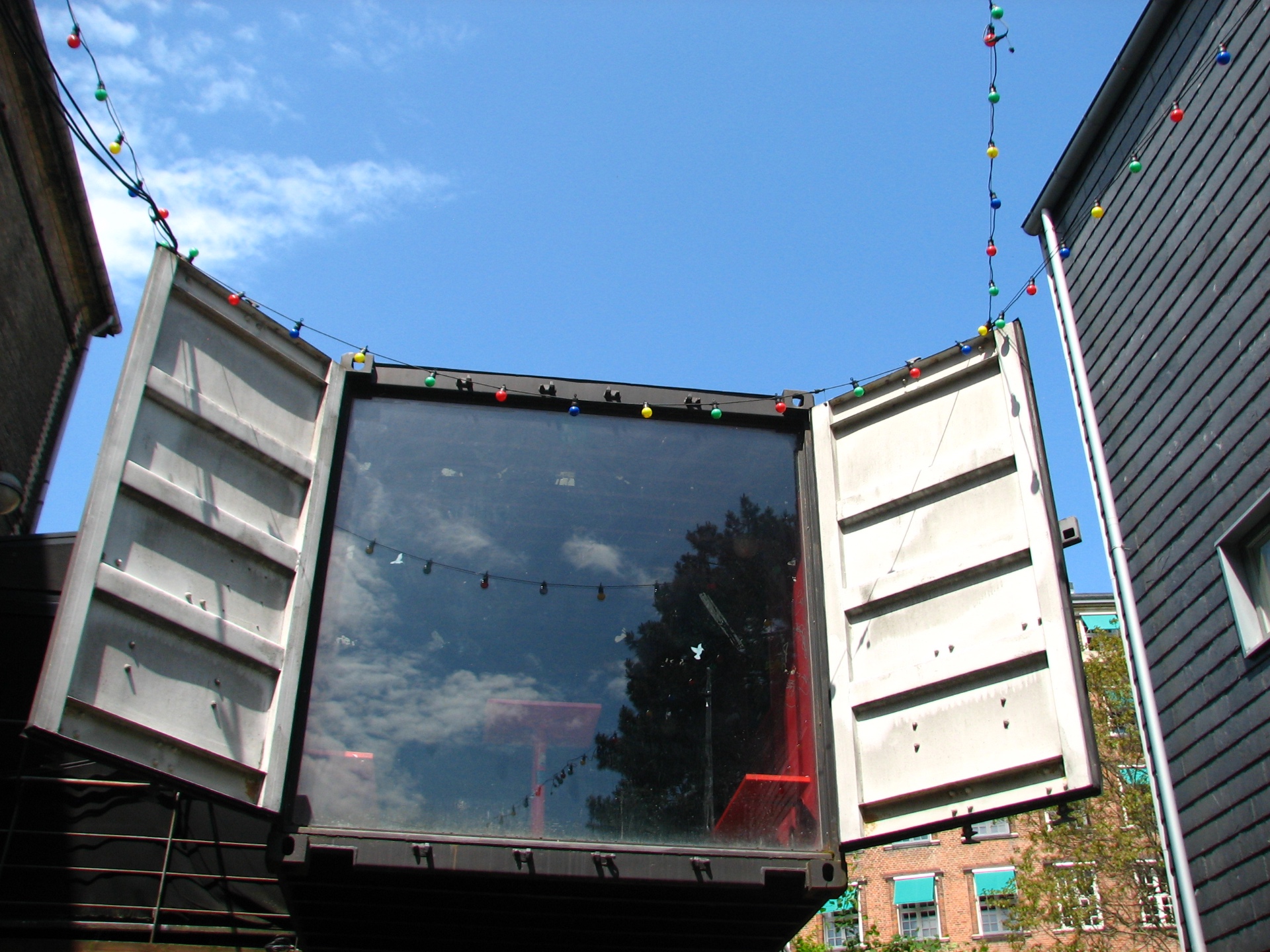
Because the building is listed, the operator was not permitted to rebuild it, and so they grew inventive about what to add. New fire regulations meant the old small hall could no longer serve as a cloakroom and a new entrance was needed, so the additions were designed to be removable again. The result is the now familiar shipping containers. The principle is broadly useful: where you may not touch the protected fabric of a building, make every intervention explicitly temporary, so that the historic structure is preserved intact for whoever follows.
The rawness as the asset
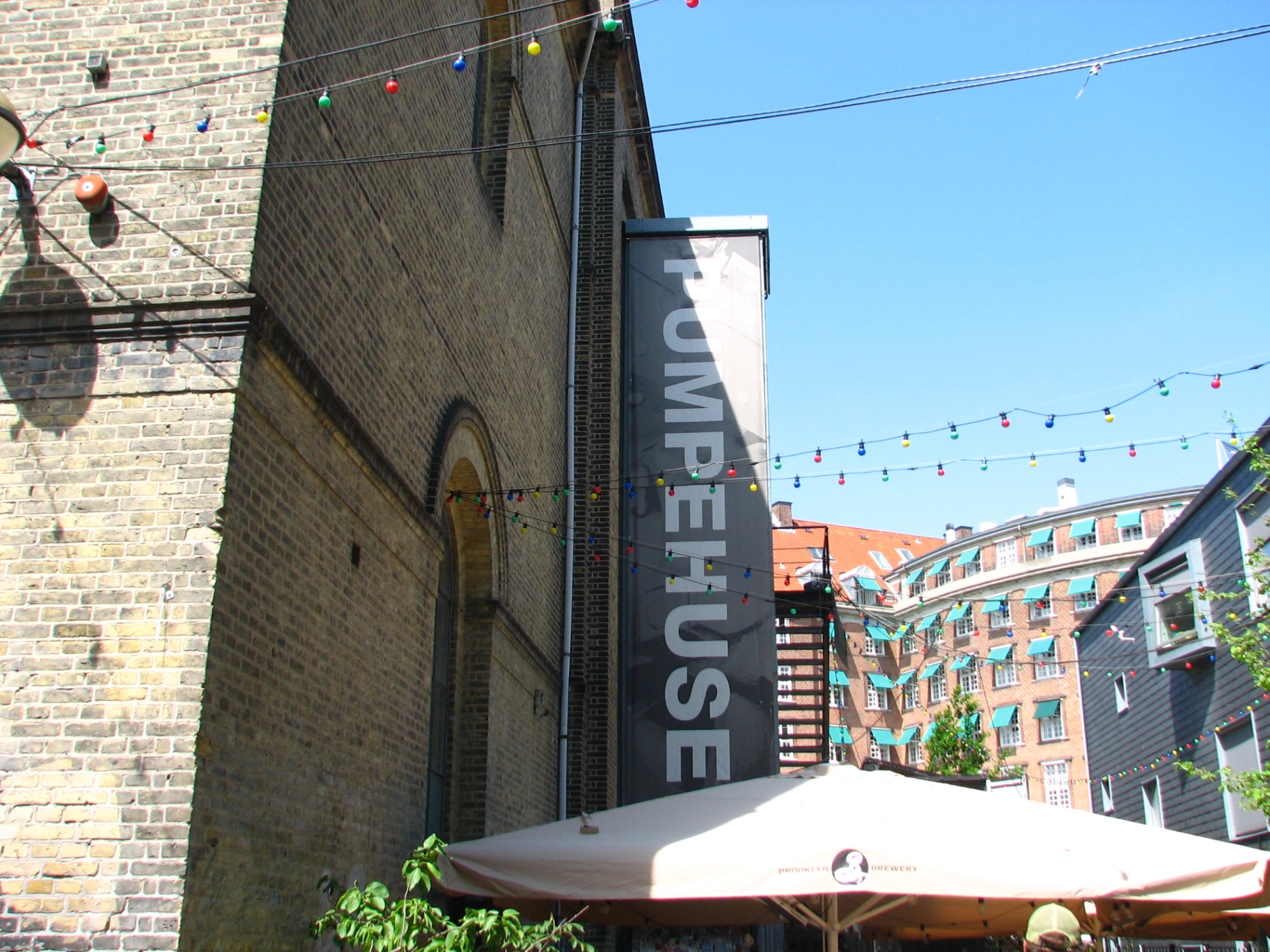
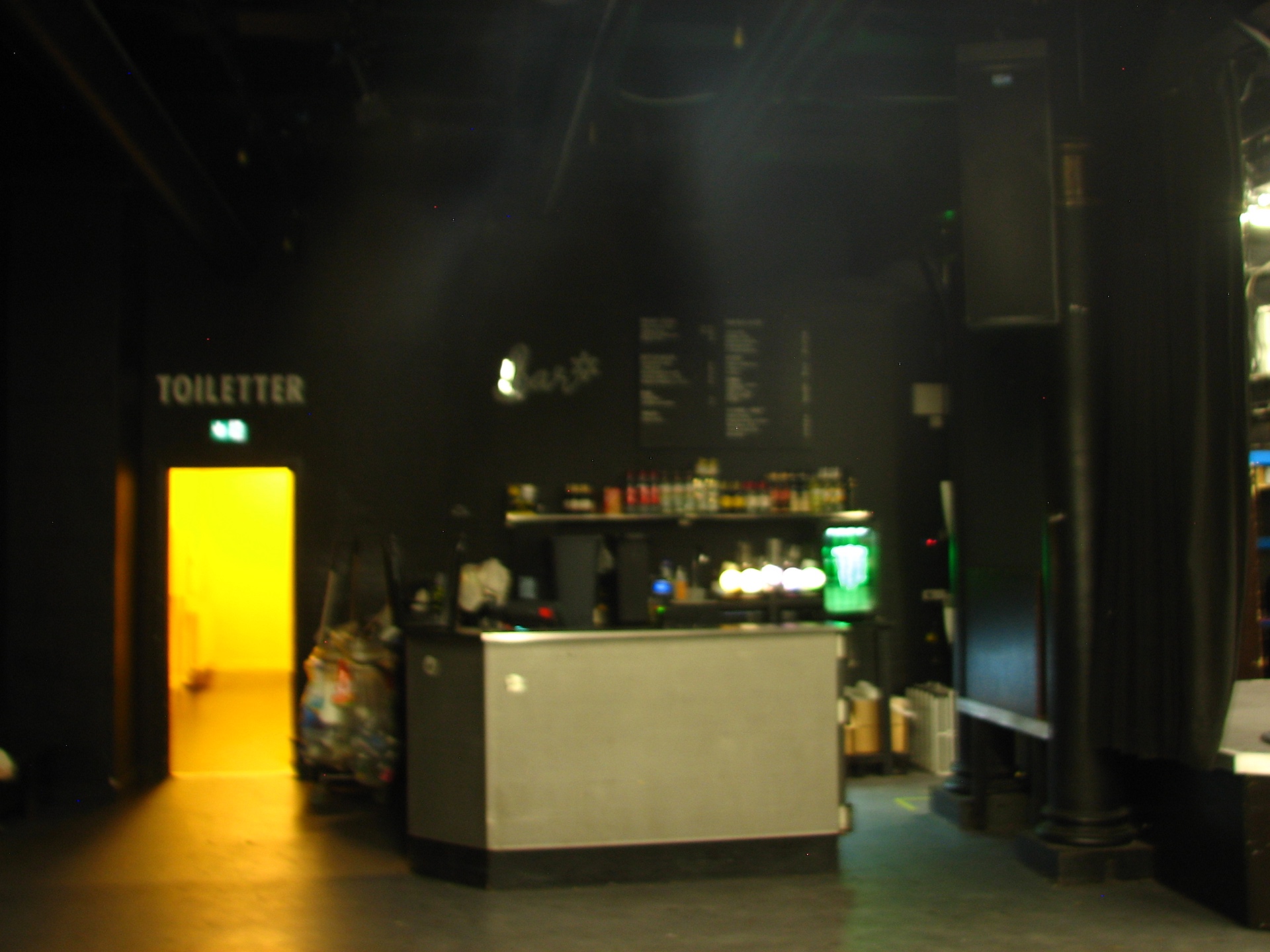
The team is clear that the historic building is not a constraint to be hidden but the product itself. Copenhagen has no shortage of plain event spaces, but stepping into a building with a past simply feels different. It carries a raw life that suits the venue's musical character, and it works on a visitor even when they do not know what the building once was. The old crane still visible above the bar gave one stage its name, Kransalen, while the other is simply Sort Sal, the black hall. Since reopening in 2011 the venue has run more than 250 concerts a year, from the underground to the mainstream, with a further programme of free summer concerts in the Byhaven garden.
Guidance for municipalities and operators
For owners and public authorities
If you want a cultural tenant to invest seriously in your building, give them a lease long enough to make that investment rational. A period free of rent at the start can allow a tenant to rebuild a neglected space at no cost to you, and a long horizon afterwards lets them grow toward financial independence. Be honest, too, about the cost of maintaining an old listed building, and agree clearly who is responsible for its upkeep, because those obligations do not disappear.
For operators
Fight for a long and secure lease before anything else, because it is the foundation on which every later investment depends. Where you cannot alter a protected building, design your additions to be temporary and removable. And treat the building's rawness as an asset to be revealed rather than a flaw to be covered, because it is precisely what a plain modern hall can never offer.
Today
Pumpehuset offers two indoor stages and a summer garden, runs without subsidy, and is known for catching subcultures as they rise. It stands on Studiestræde, near the City Hall Square, where the neighbouring waterworks buildings are being given their own new life.
The water that once thundered through these pumps began its journey in the reservoir at Søndermarken. See the chapter on Cisternerne.
Sources: Pumpehuset; Wikipedia (Copenhagen Waterworks; Pumpehuset); Vice; Copenhagen Jazz Festival; interview transcript, on site, May 2026. Photography by Zala and Pol.